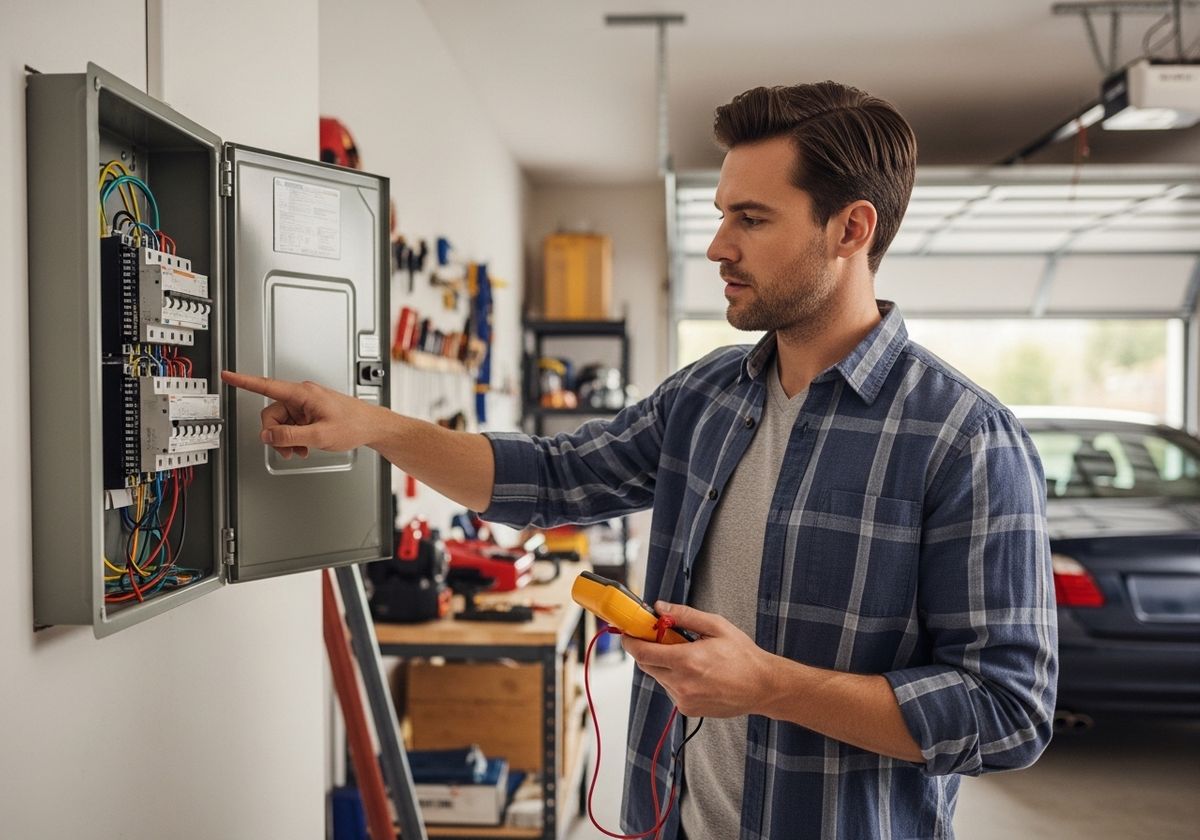
Your home's electrical panel, often called a breaker box or service panel, is the central hub of your electrical system. It distributes electricity throughout your home and protects your wiring from overloads. Understanding the basics of your electrical panel can empower you to handle minor electrical issues safely and make informed decisions about electrical upgrades.
What is an Electrical Panel?
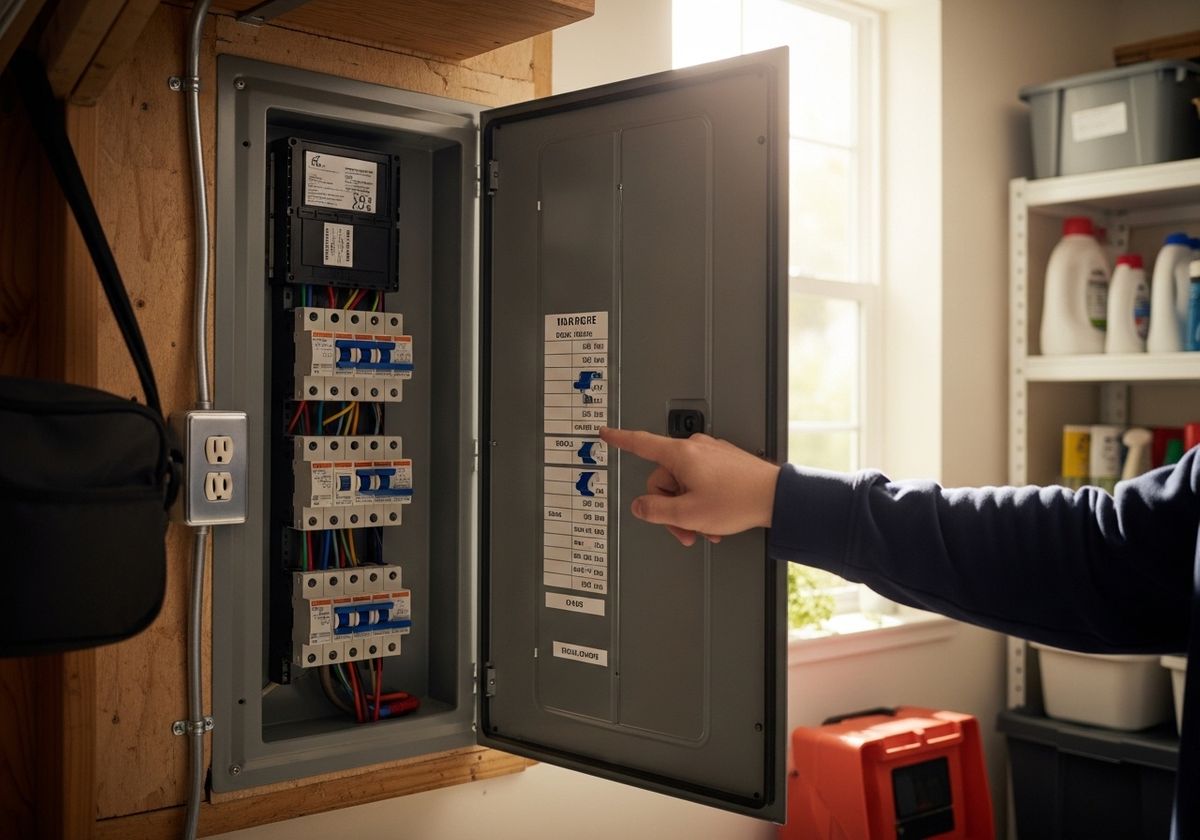
The electrical panel is a metal box, usually located in an easily accessible area like a garage, basement, or utility room. It receives electricity from the utility company and divides it into circuits that power different areas of your home. Each circuit is protected by a circuit breaker, which is designed to trip and shut off power if the circuit becomes overloaded or experiences a short circuit.
Key Components of Your Electrical Panel
Main Breaker: This is the master switch that controls all the electricity to your home. In an emergency, you can switch this off to cut power to the entire house.
Circuit Breakers: These are switches that protect individual circuits. Each breaker is labeled to indicate which area or appliance it controls.
Bus Bars: These are metal strips that distribute electricity from the main breaker to the individual circuit breakers.
Wiring: The panel contains a complex network of wires that connect the breakers to the circuits throughout your home.
Why is it Important to Understand Your Electrical Panel?
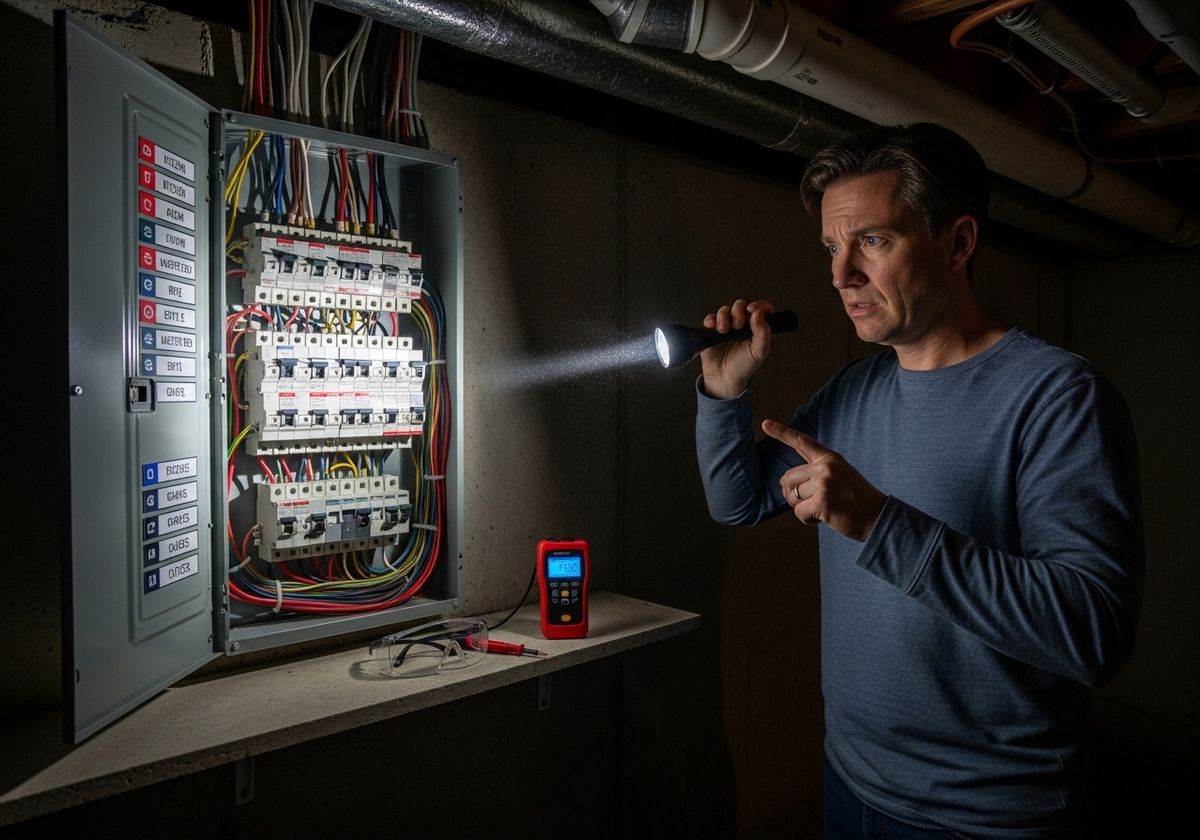
Safety: Knowing how to locate and operate the main breaker is crucial in case of an electrical emergency.
Troubleshooting: Understanding which breaker controls which circuit can help you quickly identify and resolve electrical issues, like a tripped breaker.
Preventative Maintenance: Periodically inspecting your panel for signs of damage or corrosion can help prevent potential hazards.
Planning for Upgrades: When planning renovations or adding new appliances, understanding your panel's capacity is essential to ensure it can handle the increased electrical load.
Basic Troubleshooting: What to Do When a Breaker Trips
Identify the Tripped Breaker: Look for a breaker that is in the "off" or middle position. Never ignore a tripped breaker, as it could be a sign of more serious issues that a qualified and certified electrician should look at.
Reset the Breaker: Flip the breaker to the "off" position, then back to the "on" position.
Determine the Cause: If the breaker trips again immediately, there may be an overload or a short circuit. Unplug appliances on that circuit and try resetting the breaker again. If it holds, plug the appliances back in one by one to identify the culprit.
Call a Professional: If the breaker continues to trip, or if you notice any signs of electrical problems like burning smells or sparking, contact a qualified Residential Electrician or Emergency Electrician immediately.
Understanding your home's electrical panel is a key step in maintaining a safe and functional home. By familiarizing yourself with its components and basic troubleshooting steps, you can address minor electrical issues and prevent potential hazards. For more complex Electrical Repairs or if you're unsure about handling any electrical work yourself, it's always best to call Local Electricians you can trust. At Coltin Electric Inc., we're dedicated to providing expert electrical services to ensure your home's electrical system is safe and reliable. Contact us today for any questions or to schedule a service! If you are a Destin Electrician customer, don't hesitate to call us for a consultation or to learn more about our services.