
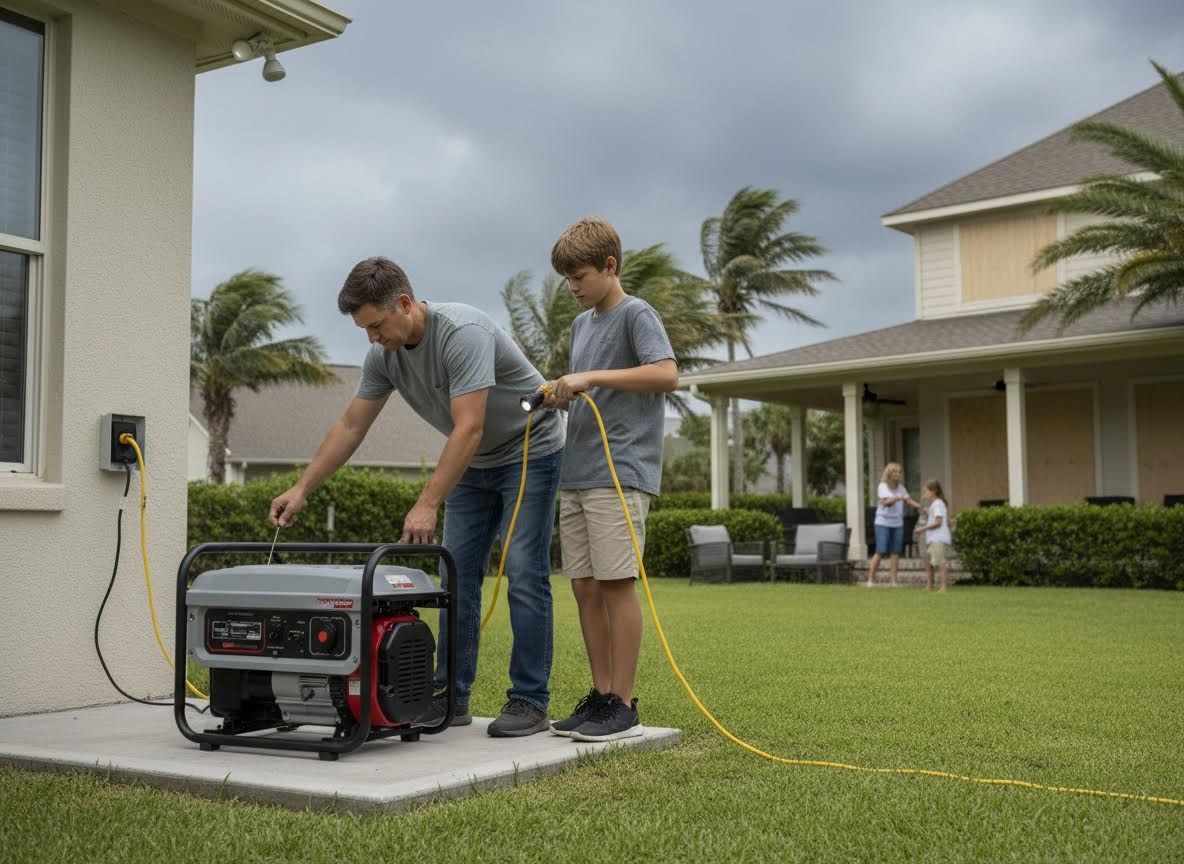
Hurricane season demands careful preparation, and if you rely on a generator, understanding its safe operation is paramount. A power outage can be more than an inconvenience; it can pose significant safety risks if not handled correctly. At Coltin Electric, we've been helping our community prepare for decades, and we believe a little knowledge goes a long way in safeguarding your home or business during severe weather. This guide will walk you through essential generator safety steps to ensure you're ready when the lights go out.
Pre-Storm Preparations and Placement
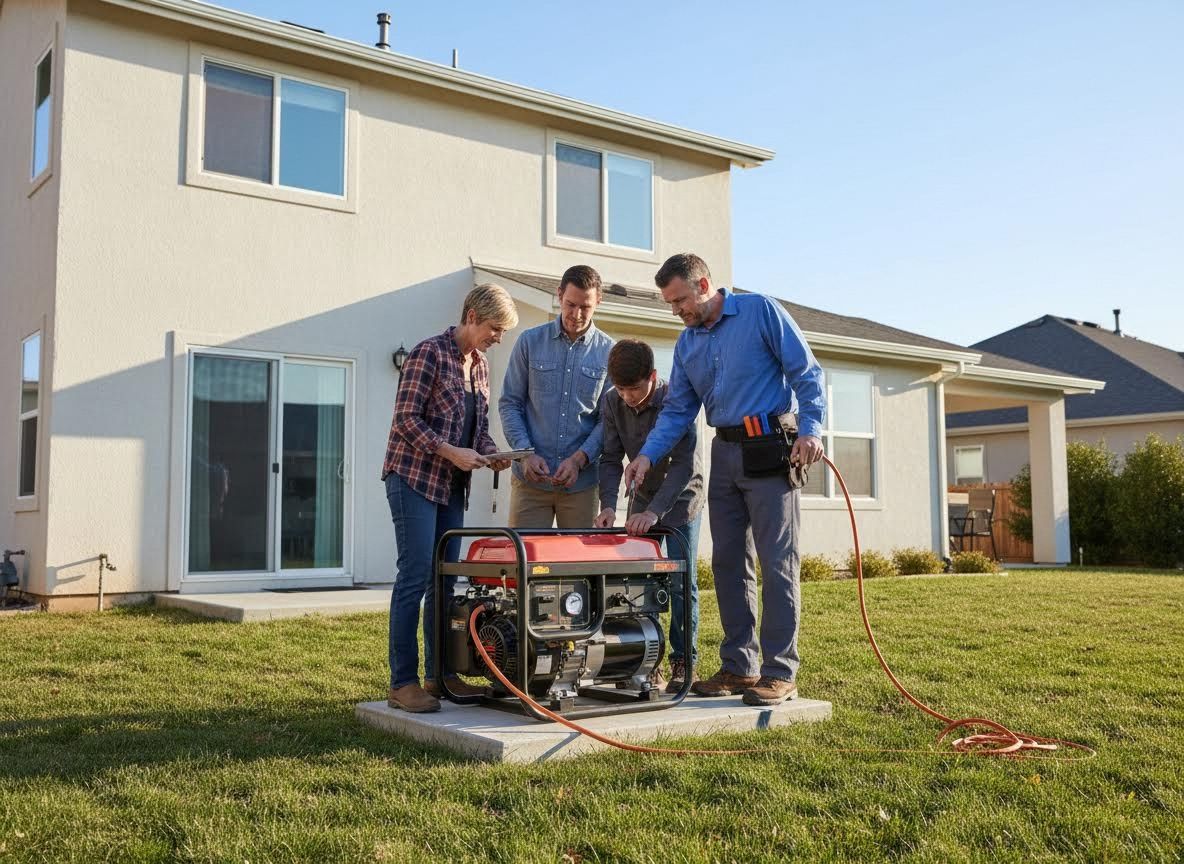
Before hurricane season fully descends upon the Gulf Coast, proactive generator maintenance is key. Ensure your generator is in good working order by checking fuel levels, oil, and battery. Always use extension cords that are rated for outdoor use and capable of handling the generator's output. When it comes to placement, never operate a generator indoors, including garages or basements. Position it at least 20 feet away from your home or business, ensuring exhaust fumes are directed away from windows, doors, and vents to prevent dangerous carbon monoxide buildup. This crucial step is vital for both residential and commercial properties, highlighting why a skilled local electrician often advises on safe setup.

Safe Operation During an Outage
Once the power goes out, safe generator operation continues to be a top priority. Never refuel a hot generator; always allow it to cool down completely to prevent fire hazards. Ensure your generator is properly grounded, either by plugging appliances directly into the generator's outlets or by using a professionally installed transfer switch. For larger installations, especially for businesses, consulting with experienced local electricians about proper transfer switch setup is not just a recommendation, it's a necessity for safety and code compliance. Overloading the generator can also be dangerous, so be mindful of the wattage requirements of the appliances you're powering.
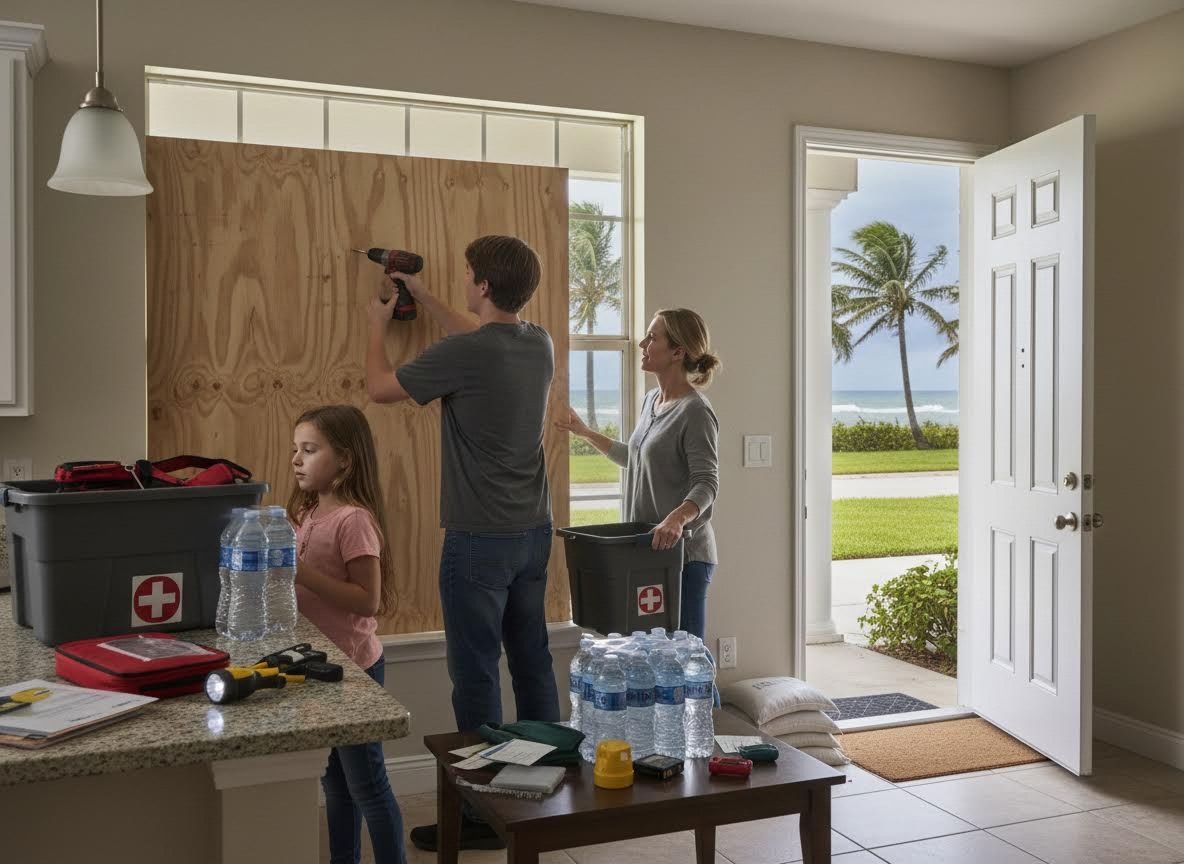
Post-Storm Checks and Professional Support
After the storm passes and power is restored, proper generator shutdown and storage are important. Allow the generator to cool, then disconnect all appliances and turn off the engine. If you notice any unusual sounds, smells, or performance issues during or after operation, do not attempt to troubleshoot them yourself. These are often signs that professional electrical repairs are needed. While preparing for outages, some homeowners also consider systems like outdoor lighting installation, and it's good to remember that all your electrical systems, including those powered by a generator, may need a check-up from trusted local electricians to ensure everything is working safely and efficiently after a significant event.
Preparing for hurricane season includes being thoroughly informed about generator safety. At Coltin Electric, we are committed to being your reliable partner for all electrical needs, helping to keep your family safe and your business running!